
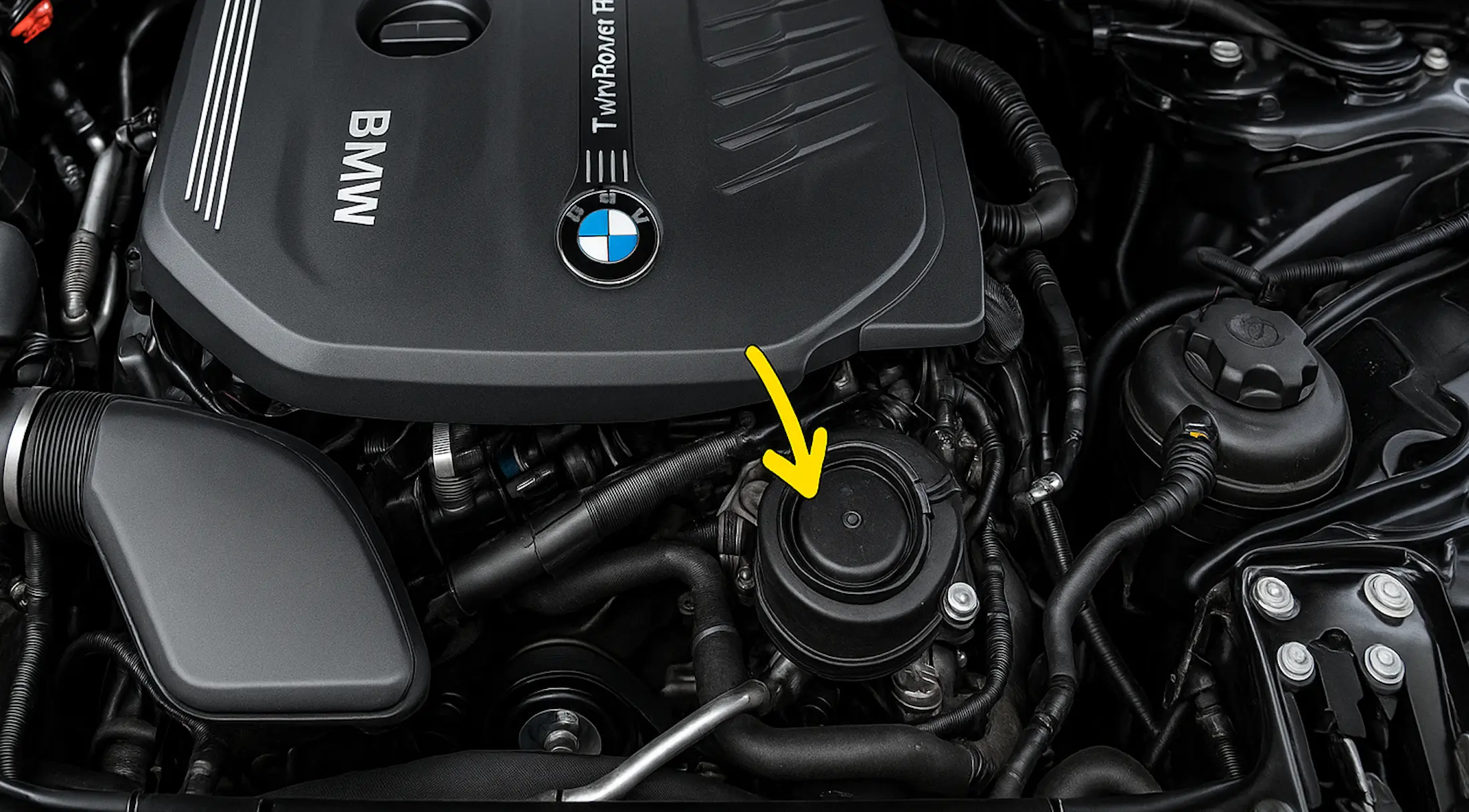
A cooling system leak rarely announces itself with drama at first. In many BMW, Audi, Mercedes-Benz, Volkswagen, Mini, and Porsche models, coolant pipe symptoms can begin as a faint sweet smell, a low-fluid message, or a damp patch you notice after parking in the same spot twice. That is the trap. A plastic fitting can look fine from above while heat, pressure, and age open a hairline split underneath. American drivers who buy used European cars often learn this after a warm commute, a weekend road trip, or a pre-purchase inspection that finds dried residue behind the intake. For readers comparing repair choices, practical automotive repair guides can help frame the bigger ownership picture before a shop invoice lands. The goal is simple: spot the leak early, know what it means, and decide whether the car needs one pipe, a group of cooling parts, or a deeper inspection before overheating turns a modest repair into engine damage.
Coolant Pipe Symptoms You Should Not Dismiss
The first signs often feel too minor to interrupt your week. A warning light clears after a top-off. A smell fades once the hood cools. The trouble is that pressurized coolant systems do not forgive slow denial. Plastic expands, contracts, and hardens through years of hot shut-downs. Once a crack starts, it tends to grow in awkward places, often where your eyes cannot reach without removing trim, covers, or intake parts. The right move is to treat early clues as a pattern, not as separate odd moments. Your car is giving you a cooling-system story in pieces. One piece may be harmless alone, but three pieces in the same week deserve a look under the hood.
Sweet smell, white residue, and low coolant messages
The most common clue is a sweet, syrup-like odor after driving. It may show up when you step out in the garage or when the cabin fan pulls air from the cowl area. On some cars, the smell arrives before any warning light because the reservoir still has enough fluid during short trips. That faint odor deserves more respect than most owners give it. Coolant has a distinct scent, and once you learn it, you rarely mistake it for oil, washer fluid, or hot dust.
White, chalky residue is another tell. You may see it around hose ends, under a plastic flange, near the thermostat housing, or along a seam where a molded pipe meets a rubber hose. Coolant can dry into pale crust after it lands on hot metal, so a dry stain can matter more than a wet drip. Look around the reservoir cap, the upper radiator hose, and the back side of the engine where access is poor.
A low-coolant alert should never be treated as a normal European-car quirk. One top-off after a known repair is one thing. Repeated top-offs are evidence. A 2013 BMW 328i that asks for coolant every two weeks is not “using” coolant. It is losing it, and the leak may be small enough to hide until a hot day or a traffic jam exposes the weak point.
Why a European vehicle coolant leak may leave no puddle
Many drivers expect a leak to make a puddle. That expectation can cost money. On tightly packed European engine bays, coolant may hit a hot block, turbo shield, belt drive, or transmission case and evaporate before it reaches the driveway. The ground stays clean while the system keeps losing fluid, which makes the car seem healthier than it is.
That is why a European vehicle coolant leak can feel like a rumor until the pressure test proves it. A shop may pump the system cold and watch the gauge drop, then inspect with a mirror and light. The leak that never marked your pavement may appear as one bead under a rear coolant flange. In a driveway check, the better clue may be smell, residue, or a slow change in reservoir level. Marking the tank level with painter’s tape after the engine cools can show loss over a few days without guessing.
There is a mild irony here. The cleaner the belly pan and undertray, the less visible the problem can be. Many modern cars are designed to keep air moving cleanly under the vehicle. That same shielding can catch coolant, spread it, and hide the original source. A tidy garage floor should not be your only test.
Why Aging European Cooling Systems Crack in the First Place
Plastic did not enter these engines because engineers forgot metal exists. Molded plastic shapes can fit tight spaces, reduce weight, and create one-piece passages that would be costly to cast. The weak point appears later. After years of heat soak, vibration, clamp pressure, and chemical exposure, the part that once made sense on a production line becomes the brittle link in your ownership story. This is not always bad engineering. Often, it is old material doing what old material does. The same pipe that survived warranty years without complaint can become fragile during the second or third ownership cycle, which is exactly when many bargain European cars enter American driveways.
Heat cycles make plastic age before it looks old
A coolant pipe lives through heat cycles, not miles alone. A car used for six-mile city trips may heat up, cool down, and repeat that stress more often than a highway commuter. Each cycle asks the pipe, seal, and connector to move slightly. After enough cycles, the plastic loses flex and starts acting more like a shell than a part meant to move with the engine.
The outside may still look black and tidy. That fools owners. A plastic water outlet can crack along a molded seam while the top face remains clean. A flange can warp enough to let an O-ring seep even though the pipe has not split wide open. This is why a visual inspection from above can miss the start of the failure.
Plastic coolant pipe failure usually starts at the thin areas: tabs, bends, hose necks, sensor ports, or molded branches. On an Audi 2.0T, for example, a rear coolant flange can leak where access is poor. You see the reservoir drop, but the source sits against the back of the cylinder head. The pipe is not always broken in half. Sometimes it is leaking through a crack you would miss with tired eyes. That is why a phone photo with flash can help during a home check; it catches residue in corners your head cannot reach.
When plastic coolant pipe failure is hiding behind other parts
Some leaks hide because the pipe is buried under the intake manifold, near the oil filter housing, or below a turbocharger heat shield. A quick glance from above tells you little. This is where diagnosis separates a careful shop from a parts cannon. Removing one cover may change the whole picture.
A Mini Cooper owner may smell coolant after parking, then find no drips because the leak sits near the thermostat housing. A Mercedes-Benz V6 may show crust near a plastic connector that only becomes clear once the engine cover and intake ducting come off. A Porsche SUV may need closer inspection of crossover pipes and valley areas before anyone can speak with confidence. The brands differ, but the pattern is familiar. Heat collects in tight zones, and the parts placed there age faster than the ones sitting in open airflow near the front of the car.
The counterintuitive part is that the most visible wet spot is not always the failed piece. Coolant follows gravity, airflow, and engine vibration. It can travel along a hose, pool on a bracket, then drip far from the source. Chasing the lowest wet point can send you in circles. The correct source is often higher, hotter, and harder to reach.
Testing the Leak Before It Becomes an Overheating Event
Once a cooling system has shown signs of loss, guessing is a poor plan. You need confirmation, and you need it before the temperature gauge climbs. A proper test does not need to be dramatic. It needs to be patient. Cold pressure, dye, close inspection, and a scan for related codes can reveal whether the fault is a pipe, cap, hose, pump, thermostat, radiator, or a mix of aging parts. The best diagnosis also asks what changed: recent service, wrong coolant mix, a new smell, or a warning after longer drives. A mechanic who asks when the message appears is not wasting time. Highway speed, idle heat, and cold starts can each point to a different failure pattern.
When an engine overheating warning turns from hint to hazard
A brief temperature rise is not harmless because aluminum engines do not enjoy heat spikes. Cylinder heads, gaskets, seals, and plastic housings all live in the same thermal storm. Once coolant level drops far enough, the system can pull air pockets, and the gauge may lag behind the actual hot spot. That delay can make a calm dashboard feel safer than it is.
The engine overheating warning matters most when it appears with no cabin heat, steam, a sudden coolant smell, or a fast-moving temperature needle. At that point, keep driving and the bill can climb fast. Pull over safely, shut the engine off, and wait. Opening a hot reservoir cap is a burn risk, not a repair step. Let the system cool before anyone touches the cap.
The NHTSA summer driving guidance advises motorists to make sure coolant meets the vehicle maker’s needs and to have the cooling system checked for leaks. That advice sounds plain, but it fits European cars well. A pressure test before peak summer can catch a weak pipe before traffic exposes it. This is especially wise before a long interstate trip in July or August.
Pressure tests, dye checks, and the value of a cold engine
A cooling system pressure test works because it recreates pressure without engine heat and moving belts. A technician pumps the system to the specified range, watches for pressure drop, then searches for seepage. Cold testing can make leaks easier to see because coolant does not evaporate at once. It also allows a safer inspection around belts, fans, and hot exhaust parts.
UV dye can help when the leak is slow or hidden. The dye circulates, escapes at the weak point, and glows under a lamp. It is not magic, though. The system still needs careful eyes. Dye sprayed across the engine bay by a belt can confuse the story if nobody traces it back. A good technician starts at the highest fresh evidence, not the messiest spot.
A cold engine also protects the technician and the car. Removing caps, ducts, and covers while hot creates risk and may distort the inspection. The wiser move is to let the car cool, document the reservoir level, pressure-test it, then inspect from top and bottom. Slow work saves repeat visits. It also gives you a better answer than “we saw coolant somewhere near the front.” A vague finding may be enough to sell a repair, but it is not enough to protect your wallet from the wrong repair.
Repair Choices, Costs, and Prevention for Used European Cars
Repair decisions should match the car, not the owner’s wishful thinking. A single cracked pipe on a well-kept car may call for a focused repair. A 12-year-old European sedan with original hoses, a cloudy expansion tank, and crust around several fittings may deserve a cooling-system refresh. The smartest repair is not always the cheapest line item, but it should make sense for the car’s value and your plans. Ask whether this is a one-part fault or a worn area finally asking for attention. That single question can turn a vague estimate into a plan, and it helps you decide whether the car deserves a quick fix or a broader cooling refresh.
Replacing one pipe versus refreshing the weak area
A shop may suggest replacing nearby hoses, clamps, seals, a thermostat housing, or an expansion tank while the area is open. That can sound like upselling, and sometimes it is. Ask for proof. Photos, pressure-test results, and age-based reasoning should support the recommendation. A good estimate explains access, not fear.
Still, replacing only the cracked pipe can be false savings when labor overlaps. If an intake manifold has to come off to reach one brittle connector, it may be sensible to replace nearby plastic pieces that share the same age and heat history. You are already paying to access the area. The extra part cost may be smaller than a second labor charge next month.
For a used BMW or Audi bought under $12,000, this is where ownership math gets honest. The part may be modest. The labor may not be. A used European car inspection checklist should place coolant hardware high on the list, not as an afterthought. A cheap purchase can still be a strong buy, but only when the cooling system is part of the budget. The buyer who plans for rubber, plastic, fluids, and access labor is usually happier than the buyer who budgets for oil changes alone.
What owners should ask before approving the repair
Ask where the leak starts, not where it drips. Ask whether the failed part is plastic, rubber, metal, or a seal. Ask if the shop tested the radiator cap or expansion tank cap, because a pressure-control issue can stress new parts. Then ask what related parts share the same labor path. These questions keep the conversation grounded.
You do not need to sound like a technician. You need clear answers. “The coolant is dripping near the bellhousing” is not enough. “The rear flange is leaking under pressure, and dye shows it at the cylinder head joint” tells a better story. It also gives you something to compare if you want a second opinion.
There is one more non-obvious point: fresh coolant can expose the next weak spot. A repaired system holds pressure better, and that pressure can reveal another old seal a week later. Good shops warn owners about this without using fear, and good owners budget for it, especially on aging European vehicles. Prevention is not glamorous. It is cheaper than a warped head.
Conclusion
A cracked plastic cooling part is not a character flaw in a European car. It is the result of heat, time, packaging, and old material reaching its limit. The owner’s mistake is not buying the car. The mistake is treating early coolant loss like background noise. A faint smell, dried crust, or repeated top-off deserves attention before traffic, summer heat, or a long interstate drive raises the stakes. Coolant pipe symptoms are useful because they give you a chance to act while the repair is still controlled. Ask for testing, look beyond the lowest drip, and think in systems rather than single parts. If you are shopping for a used BMW, Audi, Mercedes-Benz, Volkswagen, Mini, or Porsche, make cooling hardware part of the inspection conversation from the start. For deeper repair planning, save an overheating dashboard warning guide and use it before your dashboard makes the choice for you. Early action keeps the repair in your hands instead of handing it to the tow truck, the weather, and bad timing.
Frequently Asked Questions
How do I know if a plastic coolant pipe is cracked?
Look for repeated low-coolant alerts, a sweet smell after driving, pale residue near hose ends, damp areas under engine covers, or steam after parking. A pressure test gives the clearest answer because many leaks dry before they hit the ground.
Can I drive with a small coolant leak?
Short distances may be possible if the engine stays cool and the reservoir is within range, but it is risky. Coolant loss can speed up without warning. If the gauge rises, the heater blows cold, or steam appears, stop safely and shut the car off.
Why do European cars use plastic coolant parts?
Plastic allows molded shapes that fit tight engine bays and reduce weight. It also helps manufacturers combine several passages into one part. The downside appears after years of heat cycles, when plastic becomes brittle around seams, tabs, and hose necks.
Is a coolant pipe repair expensive on a BMW or Audi?
The part may be affordable, but labor can raise the bill when the pipe sits under an intake manifold or near the back of the engine. Ask the shop to show the leak source and explain which nearby parts share the same labor path.
Should I replace nearby hoses at the same time?
Often, yes, when the parts are the same age and access is difficult. It is not automatic, though. Ask for photos, pressure-test results, and a clear reason. Replacing nearby weak parts can prevent paying the same labor twice.
What happens if coolant keeps disappearing with no puddle?
Coolant may be evaporating on hot engine parts, collecting on an undertray, or leaking only under pressure. A dye test and cold pressure test can reveal the source. Do not keep topping off without diagnosis because the leak can worsen.
Are aluminum coolant pipe upgrades worth it?
They can make sense on models known for repeated plastic pipe trouble, especially when labor is high. The choice depends on the car, part quality, and repair access. A good shop can explain whether an upgrade beats an original-style replacement.
What should I check before buying an older European car?
Check coolant level, reservoir condition, hose ends, thermostat housing, radiator edges, water pump area, and any white residue near plastic fittings. Ask for service records. A pre-purchase inspection should include a cooling-system pressure test, not a quick glance.