

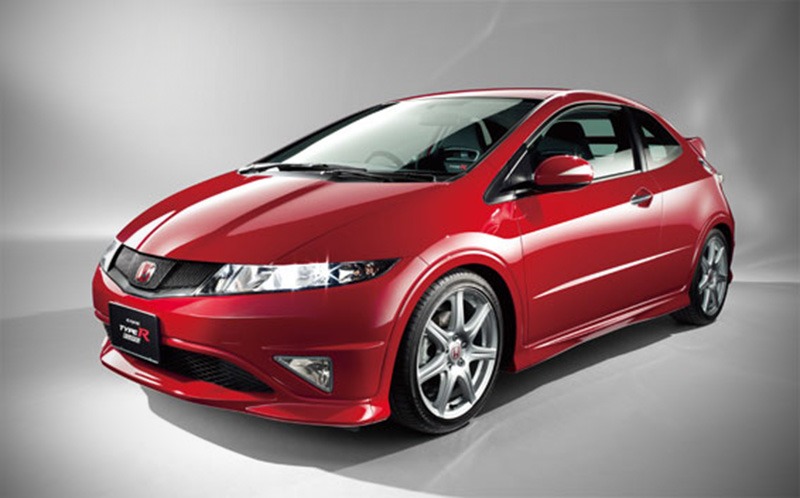
Exterior body mouldings can be small compared with major body panels, yet they influence both the appearance and practicality of a vehicle. They run along areas such as doors, rocker panels, wheel arches, and bumpers, helping define the vehicle’s profile and, in some applications, offering protection against minor contact.
When choosing replacement or aftermarket mouldings, drivers should consider material quality, dimensions, attachment methods, and compatibility with the original bodywork.
What Are Automotive Body Mouldings?
Body mouldings are trim components attached to selected exterior areas of a vehicle. Depending on the design, they may be decorative, protective, or intended to perform both roles.
Door mouldings, for example, can provide a visual break along the side of a car and may help protect against certain minor scuffs. Lower-body mouldings can emphasize the rocker panels, while bumper trim may provide a finished transition between adjoining sections.
Not all mouldings are designed to absorb impacts or prevent damage. Their actual function depends on their construction and placement.
Why Material Choice Matters
Automotive mouldings are manufactured from several materials, including thermoplastics, rubber-based materials, metals, and composite materials. Each offers different characteristics in terms of flexibility, appearance, weight, weather resistance, and repairability.
Flexible materials can be suitable for certain protective applications because they tolerate some movement. Rigid components may provide sharper styling details but can be more vulnerable to damage from direct impacts.
Carbon fiber composites are sometimes selected for their distinctive finish and potential weight advantages. However, they should be assessed according to the specific application rather than treated as a universal replacement for flexible trim.
Exploring Carbon Fiber Body Moulding
A car body side molding carbon fiber product may be designed to create a sportier appearance along the lower body. Depending on the product, it could be a complete replacement, an overlay, or an extension intended to work with existing trim.
Before purchasing, establish what the component actually includes. Product photographs can make overlays and full replacements look similar, even though their dimensions and installation methods may be very different.
Check the material composition, surface finish, mounting hardware, and intended vehicle application. If the component is marketed as protective, request information about its intended protection level rather than assuming that the appearance guarantees impact resistance.
Choosing Mouldings That Fit Correctly
Compatibility should be confirmed using the exact vehicle make, model, year, and trim. Body lines and mounting points can differ between generations or regional variants.
Measure the intended installation area and compare it with the product dimensions. For longer mouldings, check the transitions near wheel arches, doors, and adjoining panels.
Also determine whether the component uses clips, adhesive, factory fasteners, or another mounting arrangement. A product that requires extensive modification may be unsuitable for an owner seeking a straightforward replacement.
When existing mouldings are damaged or loose, inspect the underlying bodywork before fitting new parts. Rust, paint damage, or broken clips may need attention first.
Installation Preparation
Begin by cleaning and inspecting the mounting surface. Dirt, wax, moisture, and old adhesive can interfere with secure attachment.
If the product uses adhesive, follow the manufacturer’s instructions regarding surface preparation, temperature, application pressure, and curing time. Different materials and adhesive systems have different requirements.
For clip-on or mechanically fastened mouldings, confirm that the attachment points match the vehicle. Do not force clips into incorrect locations, as this may break the moulding or damage the body panel.
A test fit helps establish alignment before permanent attachment. Check that the moulding follows the body lines and that both ends transition cleanly into neighbouring panels.
Balancing Protection and Appearance
The right moulding depends on the vehicle’s use. A daily-driven car exposed to crowded parking areas may benefit from practical trim that is easy to maintain and replace. A show vehicle may prioritize a particular finish or a more prominent styling effect.
Owners should understand the limits of decorative accessories. A thin moulding may help with minor scuffs in some circumstances but cannot be expected to prevent every dent, scrape, or impact.
For lower-body components, ground clearance and exposure to road debris also matter. Parts positioned close to the road may need more frequent inspection.
Care and Maintenance
Clean mouldings regularly using products appropriate for the material and finish. Dirt often collects around the edges, particularly where trim meets the body panel.
Inspect for lifting adhesive, broken clips, cracks, fading, and changes in alignment. If a moulding begins to loosen, determine the cause before reattaching it.
Avoid abrasive cleaning tools that may scratch the surface or damage a protective coating. When replacing a damaged part, check whether the mounting hardware should also be renewed.
Coordinating Mouldings With the Rest of the Vehicle
Mouldings should complement the vehicle’s overall styling. Consider the paint colour, wheel design, mirror finish, front bumper, and rear bodywork when selecting a material or finish.
A consistent theme does not require every component to match exactly. Instead, the shape and finish should feel balanced across the car.
Before committing to multiple accessories, plan their positions together. This can prevent unnecessary visual clutter and help ensure that each component contributes to the intended result.
Frequently Asked Questions
1. Are body mouldings only decorative?
No. Some are primarily decorative, while others may offer limited protection against certain minor scuffs. Their actual function depends on the design and material.
2. Can body mouldings be installed with adhesive?
Some products use automotive adhesive systems, while others rely on clips or mechanical fasteners. Follow the installation instructions for the specific component.
3. How can I tell whether a moulding will fit my vehicle?
Confirm the model year, trim, dimensions, mounting arrangement, and compatibility information. Ask the supplier for clarification if the application is uncertain.
Conclusion
Exterior body mouldings can refine a vehicle’s appearance and, in certain applications, provide limited protection against everyday contact. The best choice depends on accurate fitment, appropriate materials, reliable mounting, and realistic expectations about the component’s purpose. Careful installation and regular maintenance help preserve the finish while keeping the vehicle’s overall design cohesive.