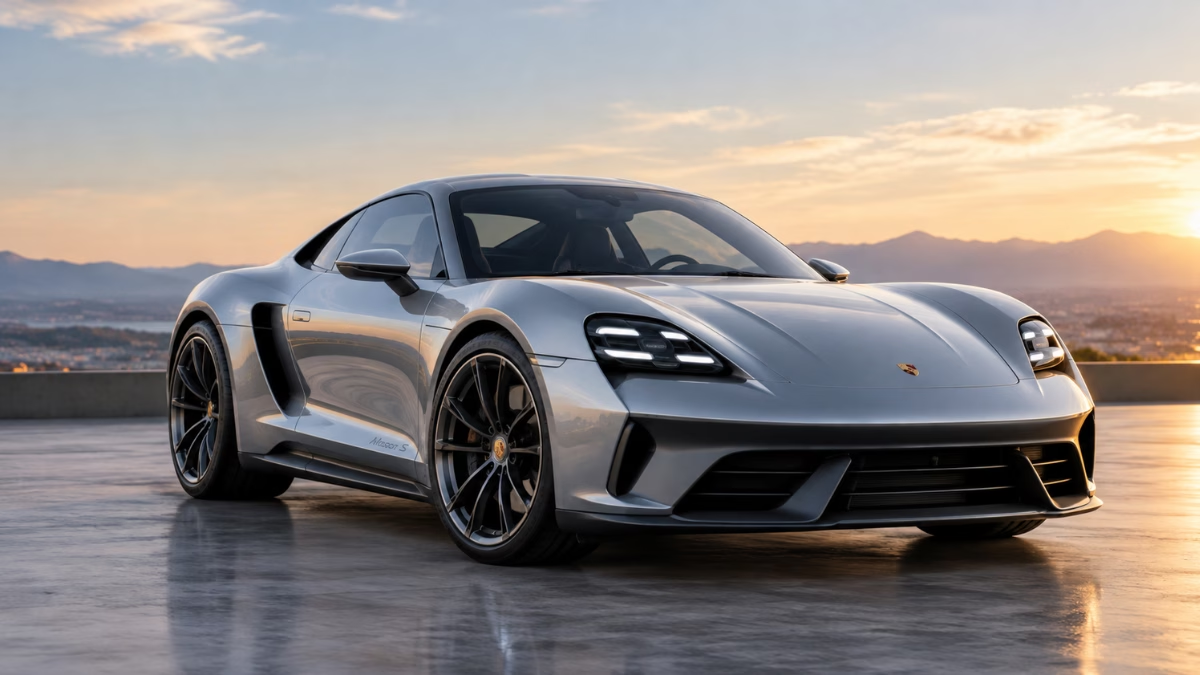
A carefully customized sports car can express its owner’s preferences while preserving the character of the original design. Exterior modifications provide opportunities to refine body lines, emphasize proportions, and introduce distinctive finishes.
However, the quality of a custom build depends on more than the appearance of individual parts. Compatibility, installation, material quality, and the relationship between components determine whether the finished vehicle looks integrated or mismatched.
Understanding the Original Design
Before selecting modifications, study the vehicle’s original shape. Notice how the front bumper, hood, side panels, wheel arches, and rear section work together.
These elements create the proportions that define the vehicle’s appearance. Successful modifications generally reinforce those proportions rather than competing with them.
Choose a Clear Styling Direction
A restrained build may use subtle exterior accents and a carefully selected rear accessory. A more aggressive approach might include extended side skirts, revised bumper elements, and a coordinated rear treatment.
Both approaches can work when the individual pieces share a consistent design language.
Create a short list of the changes you want to make and identify which ones contribute most to the overall goal. This helps avoid unnecessary purchases and keeps the project visually consistent.
Exploring Body Styling Options
Exterior styling components serve different purposes. A front lip emphasizes the lower front edge, side skirts connect the front and rear visually, and rear extensions can make the vehicle’s back end appear wider or more defined.
Front and Side Components
Front-end accessories should suit the bumper’s shape and provide sufficient clearance for everyday driving.
Side skirts should follow the body’s existing lines and align with the front and rear components. Pay attention to their height because a design that sits too low may be impractical on uneven roads.
Rear-End Design
Rear styling can be especially influential because it is visible from multiple angles. Diffusers, bumper extensions, and spoilers can change the overall appearance, but their size and shape should remain proportionate to the vehicle.
Do not assume that a component improves performance simply because it resembles motorsport equipment. Functional aerodynamic claims require appropriate engineering evidence.
Choosing Appropriate Materials
Aftermarket body components may use ABS plastic, fiberglass, polyurethane, or carbon fiber composites.
Each material offers different characteristics. ABS plastic is widely used for molded parts, while fiberglass supports custom shapes. Polyurethane may offer flexibility in suitable applications. Carbon fiber composites are often selected for their appearance and potential strength-to-weight benefits.
Evaluate Construction Quality
Material selection should reflect the component’s intended use, not just its surface finish.
Some products feature genuine carbon fiber reinforcement, while others use decorative patterns or overlays. Ask the supplier to identify the actual construction and explain any relevant limitations.
A well-made component with correct fitment is often a better investment than an attractive part that requires extensive adjustment.
Confirming the Correct Fitment
Porsche vehicles are available in different generations, body styles, and configurations. Exterior parts can vary between these versions, even when the model designation is similar.
Before ordering, confirm the exact model generation, model year, body style, and relevant factory options.
Inspect Package Details
When reviewing a Porsche 911 bodykit check the full list of included components and verify the intended vehicle application.
Ask whether the package requires additional brackets, fasteners, paintwork, or modifications to the original body panels.
Also determine whether installation instructions are provided and whether professional fitting is recommended.
Planning for Installation
Before installation, inspect every part for shipping damage and verify that the necessary hardware is present.
Where the mounting method allows, test-fit components before painting or making permanent changes. This helps identify alignment problems while they are easier to correct.
Check Mounting Points and Clearances
Confirm that mounting points align with the vehicle and that the components do not interfere with doors, tires, lights, cameras, sensors, or other equipment.
If a component does not fit correctly, do not force it into place. Contact the supplier to establish whether the part is incorrect or whether the installation procedure requires a specific adjustment.
Professional Installation
Professional fitting may be advisable when the work involves drilling, bodywork, paint matching, or complex alignment.
A qualified installer can also assess the mounting method and help ensure that the finished components remain secure under expected driving conditions.
Managing Color and Finish
The finish has a significant effect on how well modifications integrate with the vehicle.
Painted components may be matched to the original body color, while selected accessories may use a contrasting finish. Gloss, matte, and exposed composite surfaces can create different visual effects.
Maintain Consistency
Choose finishes that complement the vehicle’s existing trim and wheels. Too many contrasting materials can make the design feel disjointed.
If painting is required, confirm the preparation and finishing process before installation. Test-fitting first can help prevent rework when the component needs adjustment.
Considering Daily Driving
A vehicle used every day faces different demands from a show car or a dedicated track vehicle.
Low-mounted components may scrape on steep entrances, while protruding extensions can be more vulnerable to contact in tight parking spaces.
Make sure modifications preserve visibility, lighting, sensor operation, and required safety equipment. Check applicable local rules when a component changes the vehicle’s dimensions or exterior configuration.
Budgeting for a Complete Build
The purchase price is only one part of the total cost. Shipping, paintwork, installation, hardware, and corrective adjustments may all add to the budget.
Request a clear quotation and establish which services are included. If the project will be completed in stages, prioritize the modifications that contribute most to the intended appearance.
Keep original parts where practical and retain receipts and installation records for future maintenance.
Frequently Asked Questions
1. Do all Porsche 911 body kits fit every generation?
No. Compatibility varies by generation, body style, bumper configuration, and other vehicle specifications. Confirm the exact fitment before purchasing.
2. Is carbon fiber the best material for every body kit?
No. The most suitable material depends on the component’s purpose, construction quality, budget, and expected operating conditions.
3. Can I combine parts from different styling packages?
Sometimes, but compatibility and visual consistency should be checked carefully. Different packages may use different mounting points, dimensions, and design lines.
Conclusion
A cohesive Porsche customization project starts with a clear design direction and a careful assessment of the original vehicle. By selecting compatible components, coordinating materials and finishes, planning installation, and accounting for everyday driving conditions, owners can create a distinctive result without compromising practicality. Attention to detail throughout the project is what turns separate accessories into a unified design.